Does Suffering End Karma? Understanding the Deeper Truth
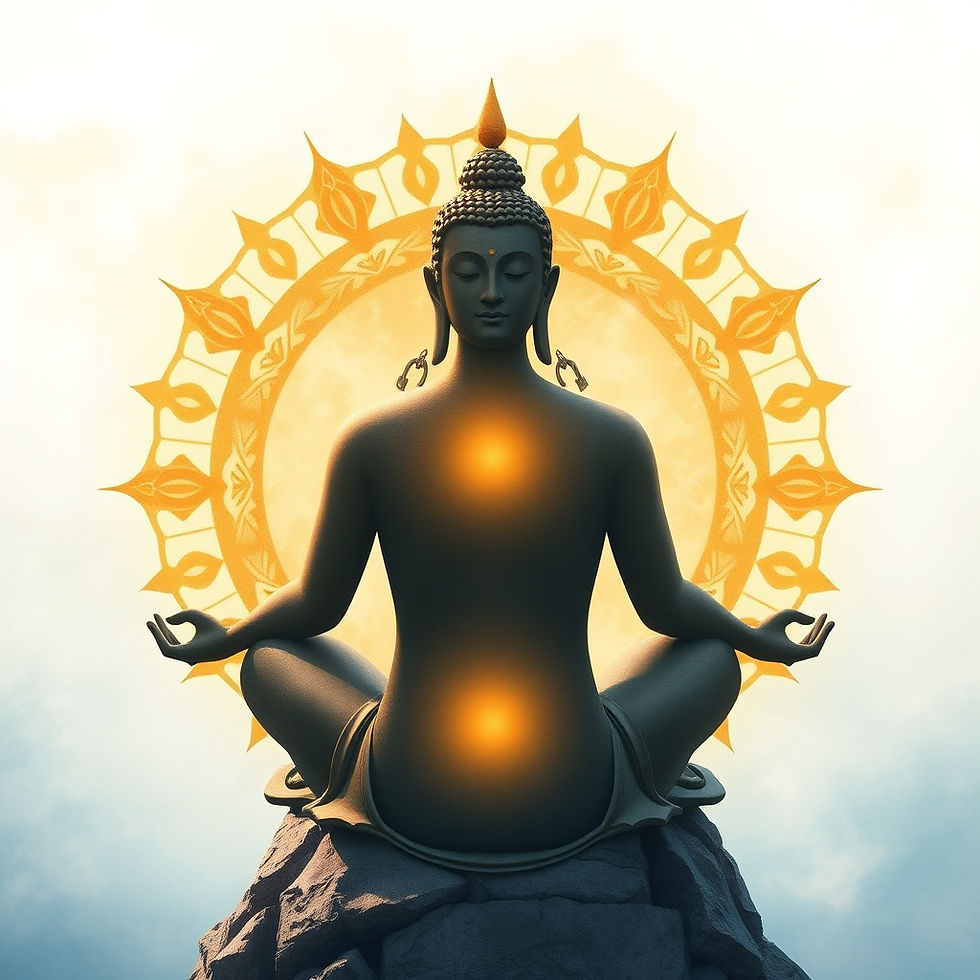
Many of us carry a common belief: that suffering is a way to clear our karma. We often assume that the pain we experience in this life is enough to exhaust the results of our past actions. But is that really true?
If suffering alone could end karma, then those who face intense and prolonged hardships should eventually be free from it. Yet, when we look around, we see people living with incurable diseases, struggling in extreme poverty, or enduring lifelong difficulties. If suffering was the solution, shouldn’t their karma have already come to an end?
However, reality shows us otherwise.
Across spiritual traditions—whether in the Bhagavad Gita, the Bible, or other sacred teachings—there is no claim that suffering by itself can destroy karma. This is an important truth we must understand clearly.
Suffering Is a Result, Not a Solution
Suffering is not a path of purification. It is simply the result of past actions—the experience of what has already been sown. Just as a seed eventually bears fruit, our actions bring consequences. Experiencing those consequences does not erase karma; it only fulfills a part of it.
At the same time, as long as karma exists, the cycle of birth and rebirth continues. So, if suffering does not end karma, what does?
The Role of the “Doer”
Karma continues as long as the sense of the “doer” exists. This “doer” is not the physical body, but the inner identity—the soul that associates itself with actions.
As long as we live with ego—thinking in terms of “I” and “mine”—karma remains with us. The ego keeps reinforcing the idea that we are the ones acting, achieving, and experiencing.
Consider a common reaction during difficult times:“Why is this happening to me? I have never done anything wrong.”
At first glance, this may seem like an expression of innocence. But if we observe closely, it subtly reinforces a belief: “I am a good person.” Without realizing it, we are feeding the ego.
And this does not dissolve karma—it creates more of it.
Pain Without Awareness Creates More Karma
Spiritual teachings, especially the Bhagavad Gita, do not present suffering as a path to liberation. Instead, they emphasize performing one’s duties with awareness, clarity, and devotion.
When pain is experienced without understanding, it often leads to negative emotions—anger, fear, resentment, or even a desire for revenge. These reactions generate new karma, adding to the cycle rather than ending it.
Two Ways to Experience Pain
There are fundamentally two ways to experience suffering:
With Resistance (“Why me?”)
This approach leads to inner conflict and emotional turbulence. It strengthens the ego and creates further karmic impressions.
With Awareness and Acceptance
Accepting pain fully, without resistance, allows a deeper transformation to take place. This kind of awareness does not create new karma—it gradually purifies the mind.
It is not suffering itself, but the way we experience it, that makes the difference.
What Truly Ends Karma?
No scripture or enlightened teacher has ever stated that mere endurance leads to liberation. Karma does not end through suffering alone, but through awareness and self-knowledge.
Ancient teachings, including those of Patanjali and the Upanishads, emphasize that liberation arises from understanding one’s true nature.
True freedom comes with the realization:“I am not the doer—I am the witness.”
When actions are performed:
with love,
without attachment, and
with a sense of devotion,
they no longer bind us in the same way.
The Path Beyond Karma
Karma ends not when we suffer, but when we transcend the sense of doership. Awareness dissolves the ego, and with it, the accumulation of karma.
By living with clarity, acceptance, and inner understanding, we begin to move beyond the cycle of action and reaction. This is the path toward true freedom—what many traditions refer to as liberation.
கஷ்டப்படுவதால் கர்மா முடிவடைகிறதா? ஒரு ஆழமான புரிதல்
நம்மில் பலருக்கும் ஒரு பொதுவான நம்பிக்கை இருக்கிறது — நாம் அனுபவிக்கும் கஷ்டங்கள் நம்முடைய கர்மாவை முடிவுக்குக் கொண்டு செல்லும் என்று. இந்த வாழ்க்கையில் நாம் அனுபவிக்கும் துன்பங்கள், முந்தைய பிறவிகளில் செய்த செயல்களின் பலன்களை முழுவதும் தீர்த்து விடும் என்று நாம நினைக்கிறோம். ஆனால், அது உண்மையா?
கஷ்டப்படுவதால் மட்டுமே கர்மா முடிவடைகிறதென்றால், மிகுந்த துன்பங்களை அனுபவிக்கும் மனிதர்களின் கர்மா ஏற்கனவே முடிந்திருக்க வேண்டாமா? ஆனால் நம்மைச் சுற்றி பார்த்தால், தீராத நோய்களால் அவதிப்படுபவர்கள், கடுமையான வறுமையில் வாழ்பவர்கள், வாழ்க்கை முழுவதும் போராடிக் கொண்டிருப்பவர்கள் பலரைக் காண்கிறோம். கஷ்டமே தீர்வு என்றால், இவர்களின் கர்மா ஏன் இன்னும் முடியவில்லை?
இதுதான் நமக்கு உண்மையை சிந்திக்க வைக்கிறது.
Bhagavad Gita, பைபிள் போன்ற ஆன்மிக நூல்கள் அல்லது ஞானிகள் யாரும் “கஷ்டப்படுவதால் மட்டுமே கர்மா அழியும்” என்று சொல்லவில்லை. இந்த உண்மையை நாம தெளிவாக புரிந்துகொள்ள வேண்டும்.
கஷ்டம் என்பது ஒரு விளைவு — தீர்வு அல்ல
கஷ்டம் என்பது சுத்திகரிக்கும் பாதை அல்ல. அது நாம் முன்பு விதைத்த விதைகளின் விளைவு மட்டுமே. விதைத்த விதை எப்படி பழமாகிறது போல, நம்முடைய செயல்களும் அதன் பலன்களை தரும்.
அந்த பலனை அனுபவிப்பது, கர்மாவை அழிப்பதல்ல — அது ஒரு பகுதியை மட்டும் நிறைவேற்றுவது.
அதே நேரத்தில், கர்மா முடிவடையாமல் பிறவி சுழலும் முடிவடையாது. அப்படியென்றால், கர்மா எப்படி முடியும்?
“செய்பவன்” என்ற உணர்வு
கர்மா தொடர்ந்து நடப்பதற்கான காரணம் “செய்பவன்” என்ற உணர்வே.
இந்த செய்பவன் உடல் அல்ல — அது செயலை தன்னுடன் இணைத்துக் கொள்ளும் ஆன்ம உணர்வு.
நாம் “நான்”, “என்னுடையது” என்ற அகங்கார உணர்வுடன் வாழும் வரை, கர்மா நம்மோடு தொடர்ந்தே இருக்கும்.
ஒரு சாதாரண உதாரணம் பாருங்கள்:நமக்கு கஷ்டம் வந்தால், “ஏன் எனக்கு இப்படி நடக்கிறது? நான் யாருக்கும் கெட்டது செய்யலையே!” என்று நாம நினைப்போம்.
ஆனால் இந்த எண்ணத்தை ஆழமாக கவனித்தால், அது மறைமுகமாக “நான் நல்லவன்” என்று நம்மை நாமே சொல்லிக்கொள்வதுதான்.
அதாவது, நமக்குத் தெரியாமலே நம்முடைய அகங்காரத்தை ஊட்டுகிறோம்.
இது கர்மாவை அழிக்காது — புதிய கர்மாவை உருவாக்கும்.
அறிவில்லாமல் அனுபவிக்கும் வலி, புதிய கர்மாவை உருவாக்கும்
Bhagavad Gitaயிலும் கர்மாவில் இருந்து விடுபடுவது கஷ்டப்படுவதால் அல்ல என்று சொல்லப்படுகிறது. அதற்கு பதிலாக, அறிவோடும், தெளிவோடும், பக்தியோடும் கடமைகளைச் செய்வதையே முக்கியமாகக் கூறுகிறது.
நாம் வலியை அறிவில்லாமல் அனுபவிக்கும் போது, அது கோபம், பயம், வெறுப்பு, பழிவாங்கும் எண்ணம் போன்றவற்றை உருவாக்கும். இவை அனைத்தும் புதிய கர்மாவை உருவாக்கும்.
வலியை அனுபவிக்கும் இரண்டு வழிகள்
எதிர்ப்புடன் (“ஏன் நான்?” என்ற எண்ணத்துடன்)
இது மனஅழுத்தத்தையும் எதிர்மறை உணர்ச்சிகளையும் உருவாக்கும். அகங்காரத்தை வலுப்படுத்தும்.
அறிவோடு ஏற்றுக்கொள்வது
எந்த கஷ்டம் வந்தாலும், அதை முழுமையாக ஏற்றுக்கொள்வது. இந்த ஏற்றுக்கொள்ளுதலே மனதையும் ஆன்மாவையும் சுத்தப்படுத்தும்.
இங்கே முக்கியமானது — வலி அல்ல, அதை நாம் எப்படி அனுபவிக்கிறோம் என்பதுதான்.
கர்மாவை உண்மையில் முடிவுக்கு கொண்டு வருவது என்ன?
எந்த ஆன்மிக நூலும், ஞானிகளும் “கஷ்டப்படுவதால் மட்டும் முக்தி கிடைக்கும்” என்று சொல்லவில்லை.
கர்மா சகிப்புத்தன்மையால் முடிவதில்லை. அது அறிவாலும், முழுமையான ஏற்றுக்கொள்ளுதலாலும் மட்டுமே முடியும்.
Patanjali மற்றும் Upanishads போன்ற பழமையான ஞானப் போதனைகள், முக்தி என்பது ஆத்ம ஞானத்தின் மூலம் மட்டுமே கிடைக்கும் என்று தெளிவாகக் கூறுகின்றன.
உண்மையான விடுதலை,“நான் செய்பவன் அல்ல — நான் ஒரு பார்வையாளர் மட்டுமே” என்ற தெளிவிலிருந்து வருகிறது.
நாம் செய்யும் செயல்கள்:
பற்றில்லாமல்,
அன்போடு,
பக்தியோடு
நடைபெறும்போது, அவை நம்மை கட்டுப்படுத்தாது.
கர்மாவை மீறும் பாதை
கர்மா முடிவடைவது, நாம் கஷ்டப்படுவதால் அல்ல. “நான் செய்கிறேன்” என்ற உணர்வை மீறும்போது தான் அது முடிவடைகிறது.
அறிவு அகங்காரத்தை கரைத்து விடுகிறது. அதனால் கர்மா சேர்க்கையும் குறைகிறது.
தெளிவோடு, ஏற்றுக்கொள்ளுதலோடு, உள்ளார்ந்த புரிதலோடு வாழ ஆரம்பித்தால், நாம் செயல்–பலன் சுழற்சியைத் தாண்டி செல்ல ஆரம்பிக்கிறோம்.
இதுவே உண்மையான விடுதலைக்கான பாதை.


Comments